In Texas, the company that tests your home for mold and the company that removes it can’t be the same business on the same project. They hold different state licenses, and the law keeps them apart.
So if a company offers you a free inspection and then quotes for the cleanup, that’s worth a second look. Here’s who does what, and the order to hire them.
Two licenses, two jobs
Mold assessment is the inspection side. Texas law defines it as inspecting a home to tell the owner about the presence of mold, developing a mold management plan or remediation protocol, or collecting and analyzing mold samples (Texas Occupations Code §1958.001).
Mold remediation is the removal side: the removal, cleaning, sanitizing, demolition or other treatment of mold or mold-contaminated material — including steps to stop it coming back.
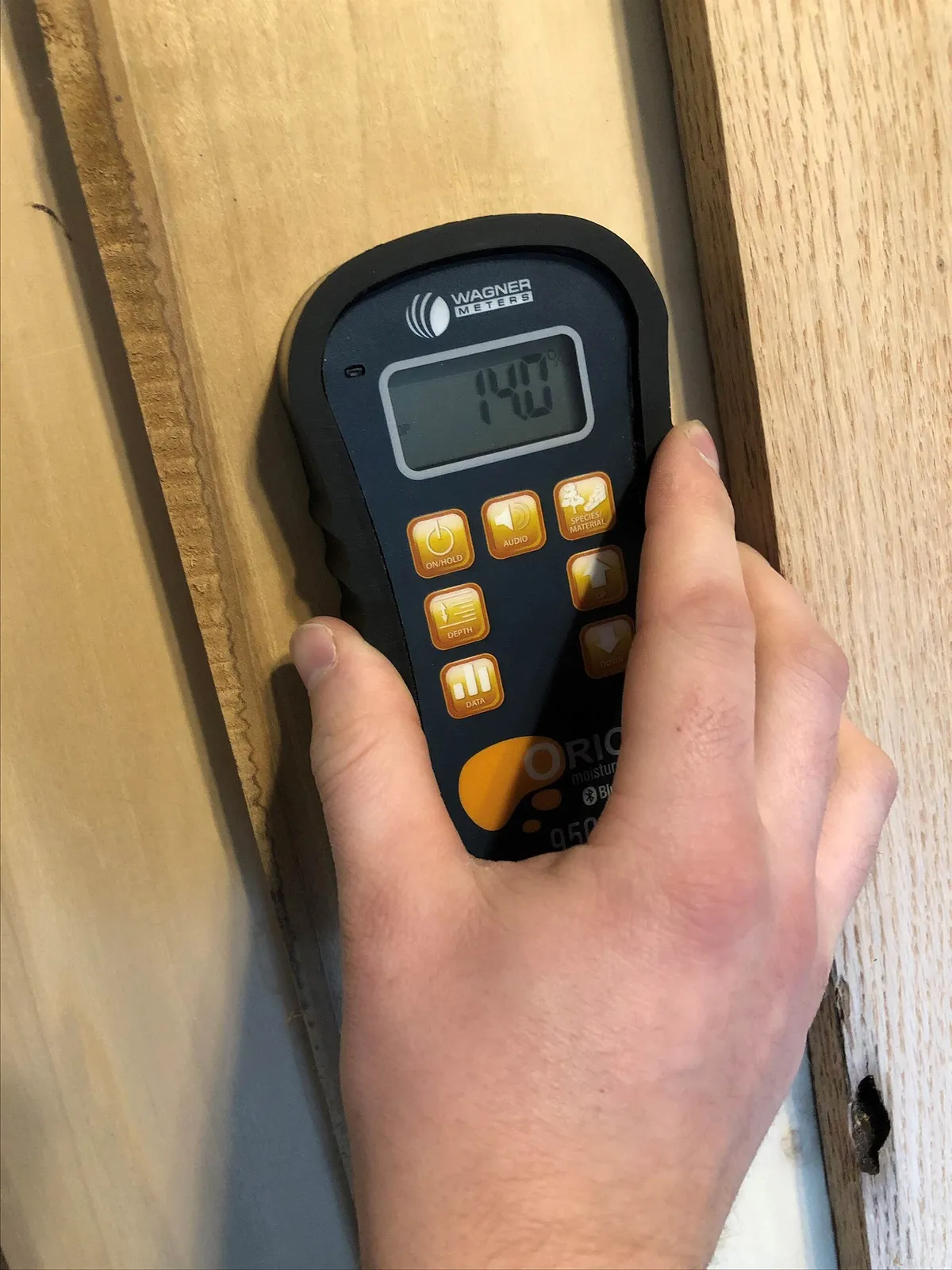
On every company profile we show which license a company holds, with the license number and expiry date.
The rule that keeps them apart
“A license holder may not perform both mold assessment and mold remediation on the same project.”
It applies to ownership too:
“A person may not own an interest in both the entity that performs assessment services and an entity that performs remediation services on the same project.”
So on any one project, the company that tests your home and the company that cleans it up must be different — and not owned by the same people.
Why that protects you
The inspector’s findings decide how much work you need. If the same business also earned the cleanup fee, it would be grading its own job. Keeping them separate means the measurement comes from someone with nothing to gain from making it bigger.
It works at the end of the job too. According to TDLR’s Consumer Mold Information Sheet, a remediation project isn’t deemed successful until a mold assessment consultant has inspected the finished work against the protocol and given you a passed clearance report.
Worth watching: the technical director of an indoor air quality trade association explains why the company that removed the mold shouldn’t be the one to sign off its own work — and why checking happens before new drywall goes up.
Which one do you need first?
Not sure there’s mold, or how much?
Start with a licensed inspector. You’ll find out what’s there and how far it goes.
Know there’s a problem and what needs removing?
Get quotes from licensed remediation companies.
When the cleanup is finished
Within 10 days, the remediator must give you a certificate of mold remediation and copies of the required photos. The exact wording.
How many of each are there?
State records list more licensed remediation companies than assessment companies in every metro we cover:
| Metro | Remediation companies | Assessment (inspection) companies |
|---|---|---|
| Houston | 116 | 58 |
| Dallas–Fort Worth | 150 | 60 |
| Austin | 53 | 18 |
| San Antonio | 45 | 19 |
| El Paso | 7 | 3 |
On our inspection pages you can filter to independent inspectors only — companies that hold an assessment license and no remediation license.
Find an inspector or a remediation company
| Metro | Inspection | Remediation |
|---|---|---|
| Houston | Mold inspectors | Mold remediation |
| Dallas–Fort Worth | Mold inspectors | Mold remediation |
| Fort Worth only | Mold inspectors | Mold remediation |
| Austin | Mold inspectors | Mold remediation |
| San Antonio | Mold inspectors | Mold remediation |
| El Paso | Mold inspectors | Mold remediation |
You can check any company’s license yourself on the TDLR license search.
This guide explains the law in plain English and isn’t legal advice.
Sources
- Texas Occupations Code, Chapter 1958 (Mold Assessors and Remediators) (opens in a new tab) — §1958.001 definitions, §1958.154, §1958.155, §1958.156
- TDLR — Consumer Mold Information Sheet (PDF) (opens in a new tab) — protocol, work plan, post-remediation assessment
- TDLR — License search (opens in a new tab)