When a licensed company finishes removing mold from your home, Texas law gives you a deadline: within 10 days you’re owed a certificate of mold remediation and copies of the job’s photographs.
Most people never ask for either. Here’s what to expect, and why the paperwork is worth keeping.
Before the certificate: clearance testing
Before a job counts as finished, a licensed mold assessment consultant has to do a post-remediation assessment, which most people call clearance testing. TDLR’s Consumer Mold Information Sheet says it checks that the work area is free of all visible mold and wood rot, that the job followed the remediation protocol and work plan, and that it meets the clearance criteria the protocol set. The consultant then gives you a passed clearance report. If the project fails, more remediation is needed before it can pass.
Agree those clearance criteria with the assessor before work starts, including what air or surface sample results will count as a pass. The same sheet says there are no national or state standards for a “safe” level of mold, so the pass mark is whatever your protocol says. That is one more reason to hire an independent assessor, not the cleanup company.
1. A certificate of mold remediation
“Not later than the 10th day after the date on which a license holder completes mold remediation at a property, the license holder shall provide a certificate of mold remediation to the property owner.”
The certificate isn’t just the remediator’s say-so. The same section requires it to include a statement by a mold assessment license holder that the mold identified for the project has been remediated, and — where they can say so — that the underlying cause has been fixed (Texas Occupations Code §1958.154(a)).
TDLR’s Consumer Mold Information Sheet, which calls it a Certificate of Mold Damage Remediation, puts it plainly: the remediation contractor signs and gives you the certificate, and the licensed assessment consultant who did the post-remediation assessment signs it too.
2. Copies of the required photographs
“Not later than the 10th day after the date of completion of a mold remediation, the mold remediator license holder shall provide the property owner with copies of all photographs required by this section.”
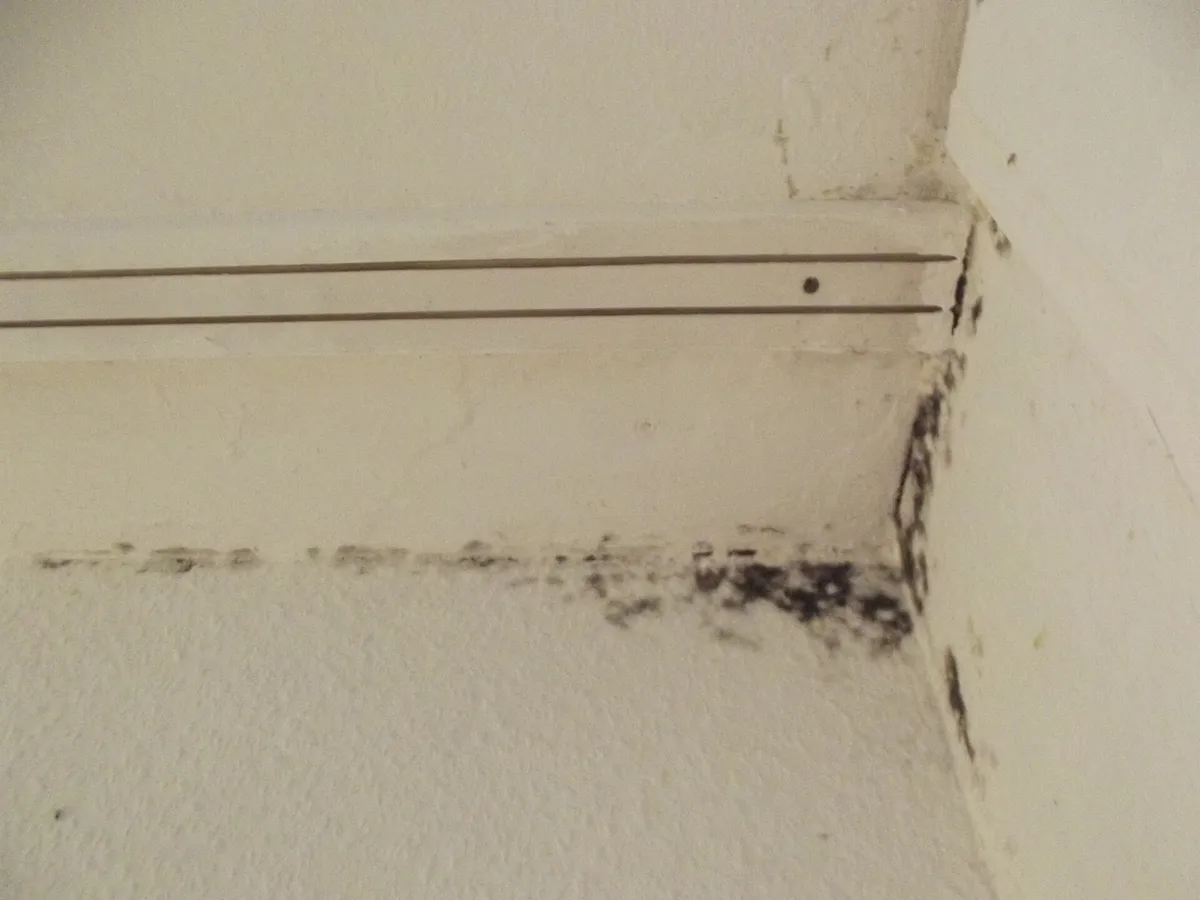
The photographs in question are the ones the remediator has to keep for each job: pictures of the scene taken before and after the remediation.
Your checklist
- Consumer Mold Information Sheet — before any work starts
- Passed clearance report from the licensed assessor
- Certificate of mold remediation — within 10 days of completion
- Copies of all the photographs the law requires — within 10 days of completion
- All of it filed with your house paperwork
Keep them: you may need them when you sell
“If a property owner sells property, the property owner shall provide to the buyer a copy of each certificate issued for the property under this section during the five years preceding the date the property owner sells the property.”
The certificate also matters to your insurer. Texas law limits how an insurer can use past mold damage when the property has a certificate showing the underlying cause was remediated. Texas mold law: insurance.
This guide explains the law in plain English and isn’t legal advice.
Sources
- Texas Occupations Code, Chapter 1958 (Mold Assessors and Remediators) (opens in a new tab) — §1958.154, §1958.156
- TDLR — Consumer Mold Information Sheet (PDF) (opens in a new tab) — clearance testing and criteria, what the certificate is, who signs it, complaints
- Texas Insurance Code §544.303 (opens in a new tab)